
What Are the Risks of Hypothermia? A Beginner’s Guide to Staying Safe on Mount Kilimanjaro
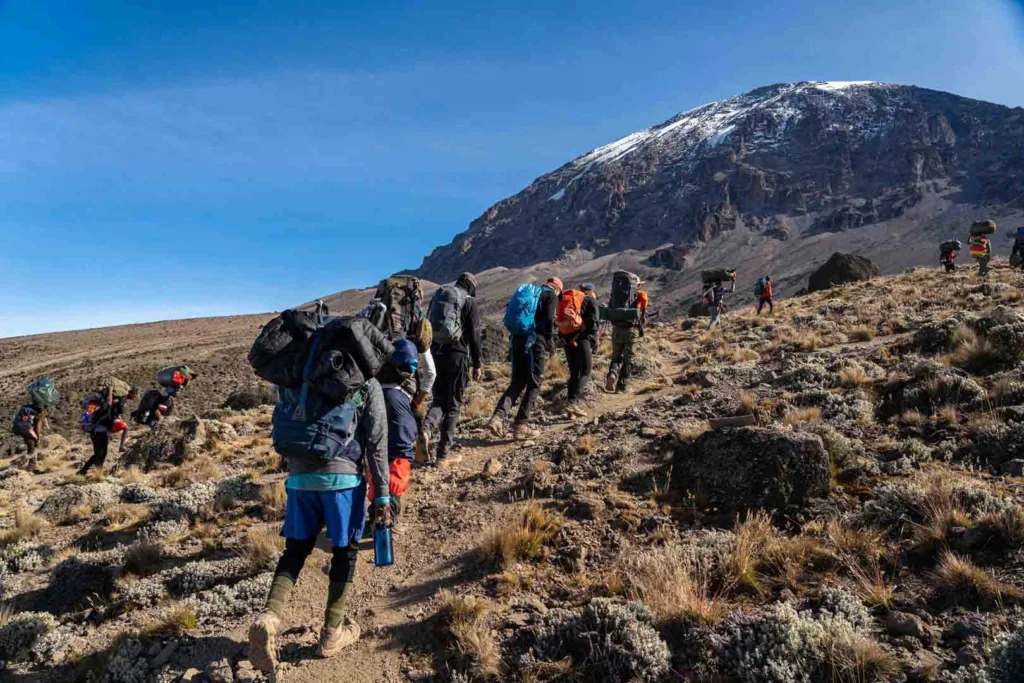
Mount Kilimanjaro is the highest mountain in Africa and one of the most iconic hiking destinations in the world. Located in Tanzania, this towering volcano attracts thousands of climbers every year. But as beautiful and rewarding as the experience may be, climbing Mount Kilimanjaro can be dangerous if you’re not prepared. One of the biggest risks is hypothermia.
In this guide, we will explain what hypothermia is, why it’s a serious risk on Mount Kilimanjaro, and how you can avoid it. Whether you are just beginning to plan your trip or are already training, understanding hypothermia could save your life.
What Is Hypothermia?
Hypothermia happens when your body loses heat faster than it can produce it. This causes your body temperature to drop to a dangerous level. A normal body temperature is around 37°C (98.6°F). Hypothermia starts when your body temperature falls below 35°C (95°F).
On Mount Kilimanjaro, the risk of hypothermia is very real. The mountain’s high elevation and cold climate can cause your body to lose heat quickly, especially if you are wet, tired, or not dressed properly.
Why Is Hypothermia a Risk on Mount Kilimanjaro?
There are many reasons why hypothermia is a danger when climbing Mount Kilimanjaro:
1. Cold Temperatures
At the summit, Mount Kilimanjaro height reaches 5,895 meters (19,341 feet). The temperature at night can drop to -20°C (-4°F). That’s extremely cold, especially if you’re not used to such weather.
2. Weather Changes
The Mount Kilimanjaro weather can change quickly. One moment it’s sunny, the next it could be windy, rainy, or snowy. Sudden cold rain can make your clothes wet and lead to heat loss.
3. Wind Chill
The strong winds on Kilimanjaro can make the air feel much colder than it actually is. This is known as the “wind chill” effect, and it increases the risk of hypothermia.
4. Exhaustion
As you go higher, the thin air makes you tired faster. When you’re tired, your body produces less heat, increasing the chances of hypothermia.
5. Inexperience
First-time climbers often don’t know how to dress in layers or may not carry the right gear. This increases the chances of getting cold and developing hypothermia.
Signs and Symptoms of Hypothermia
Knowing the early signs of hypothermia can help you act quickly:
- Shivering
- Feeling cold and tired
- Confusion or slurred speech
- Slow breathing
- Loss of coordination
- Pale or blue skin
As it gets worse, the person may stop shivering, become very sleepy, or even unconscious. Severe hypothermia is a medical emergency.
How to Prevent Hypothermia on Mount Kilimanjaro
1. Dress in Layers
Wear several layers of clothing:
- A base layer to keep sweat off your skin
- An insulating layer to keep you warm
- A waterproof outer layer to block wind and rain
2. Stay Dry
Wet clothes can cool your body very quickly. Always keep a rain jacket handy and avoid getting sweaty by removing layers when hiking uphill.
3. Eat and Drink Well
Your body needs fuel to stay warm. Eat high-energy foods and drink plenty of fluids to help generate heat.
4. Use Quality Gear
Invest in good boots, gloves, hats, and sleeping bags rated for cold weather. It’s worth it.
5. Know the Weather Forecast
Before your climb, check the Mount Kilimanjaro weather and ask your guide about what to expect each day.
What to Do If You See Someone With Hypothermia
If you or a fellow climber show signs of hypothermia, act fast:
- Move to a warmer location
- Replace wet clothes with dry ones
- Wrap in blankets or a sleeping bag
- Offer warm drinks (not alcohol)
- Seek medical help immediately
Facts About Mount Kilimanjaro
To better understand the environment, here are some key facts about Mount Kilimanjaro:
- Mount Kilimanjaro elevation: 5,895 meters (19,341 feet)
- Where is Mount Kilimanjaro located? Tanzania, East Africa
- Mount Kilimanjaro National Park is a UNESCO World Heritage Site
- Mount Kilimanjaro deaths occur every year, many from hypothermia and altitude sickness
- Mount Kilimanjaro map shows different climate zones from rainforest to Arctic
- How high is Mount Kilimanjaro? Same as elevation: 5,895 meters
Climbing Mount Kilimanjaro Safely
Best Practices:
- Choose a reputable tour company like Climb Mount Kilimanjaro by Tanzania Safari Experience
- Don’t rush your climb. A slower pace helps you adjust to the altitude and stay healthy
- Train ahead of time so you’re physically ready
- Always follow your guide’s advice
How long does it take to climb Mount Kilimanjaro?
Most treks take between 6 to 9 days. More days means better chances to adjust and avoid sickness.
Questions You Might Have
Is Kilimanjaro evil?
No, but it is a challenging mountain. Preparation is key to staying safe.
What type of volcano is Mount Kilimanjaro?
It’s a stratovolcano. That means it formed from layers of ash and lava.
When did Mount Kilimanjaro last erupt?
Kilimanjaro is considered a dormant volcano. The last major eruption happened over 360,000 years ago.
In what country would you find Mount Kilimanjaro?
You will find it in Tanzania.
Mount Kenya vs Mount Kilimanjaro?
Mount Kenya is lower and more technical. Mount Kilimanjaro is higher but less technical, making it suitable for beginners.
Flying to Mount Kilimanjaro
If you are planning your trip, look for flights to Mount Kilimanjaro International Airport (JRO). It’s the closest airport to the mountain.
Final Tips to Stay Safe
- Know the symptoms of hypothermia
- Dress smart and stay dry
- Use a professional tour guide
- Listen to your body and rest when needed
Planning a climb? Stay informed, stay warm, and climb Mount Kilimanjaro safely with a trusted company like Tanzania Safari Experience.
FAQs About Hypothermia on Mount Kilimanjaro
Q: What is the biggest danger of hypothermia? A: It can lead to organ failure and death if untreated.
Q: Can hypothermia happen quickly? A: Yes. In freezing weather with wet clothes, it can happen in under 30 minutes.
Q: Do I need special training to avoid hypothermia? A: No, but being informed and using the right gear can protect you.
Q: What should I pack to stay warm? A: Thermal base layers, fleece, waterproof jackets, gloves, wool socks, and a sleeping bag rated for -20°C.
Q: How common is hypothermia on Kilimanjaro? A: It’s one of the top reasons climbers turn back or get evacuated.
