
What Vaccinations Are Required for Tanzania?
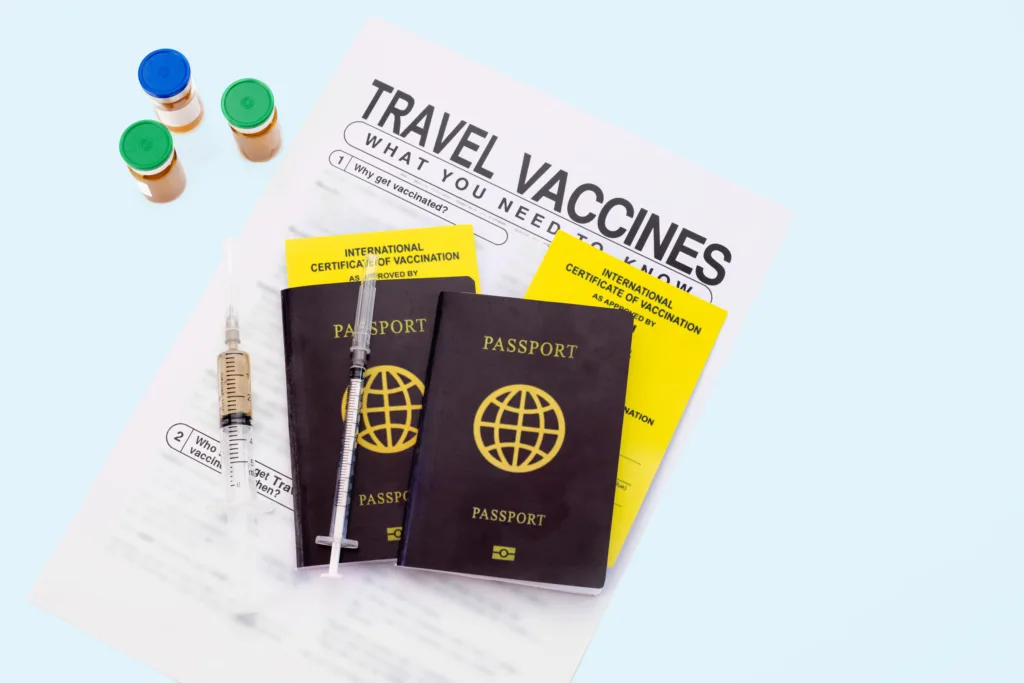
Planning a trip to Tanzania, especially to climb the famous Mount Kilimanjaro, is an exciting adventure. But before you pack your hiking boots, it’s important to protect your health. Knowing what vaccinations are required for Tanzania is the first step.
Whether you’re coming to see the Big Five in the Serengeti or to reach the peak of Mount Kilimanjaro, this guide will help you understand all the health precautions you need. We’ll also cover mount kilimanjaro weather, how the mount kilimanjaro hike can affect your body, and how to stay healthy throughout your journey.
Why Vaccinations Matter for Tanzania Travel
Tanzania is home to rich wildlife, beautiful landscapes, and diverse ecosystems. However, it also has health risks that may not exist in your home country. Getting the right vaccines helps protect you from serious diseases, especially when visiting remote areas like mount kilimanjaro national park.
Required Vaccinations for Tanzania Entry
1. Yellow Fever (If Traveling from an Affected Country)
Required: Yes, if you are arriving from a country with a risk of yellow fever transmission (like Kenya, Uganda, or South America).
- Proof needed at entry.
- A yellow fever vaccination certificate is required for travelers from or transiting through affected countries.
2. COVID-19
Required: Not mandatory for all travelers (as of latest guidelines), but highly recommended.
- Always check the latest updates from the Tanzania Ministry of Health.
Recommended Vaccinations for Tanzania (Especially for Climbing Kilimanjaro)
1. Hepatitis A
- Spread through food and water.
- Common in many developing countries.
- Safe for travelers eating local food.
2. Hepatitis B
- Spread through bodily fluids.
- Recommended for long-term travelers or those needing medical care abroad.
3. Typhoid
- Spread through contaminated food and water.
- Risk increases if you’re traveling to rural areas.
4. Tetanus, Diphtheria, and Pertussis (Tdap)
- Protects against infections from cuts or wounds.
- Good for hikers on rough trails, such as the mount kilimanjaro hike.
5. Rabies
- Spread by animal bites.
- Recommended if you plan to spend a lot of time in nature or with animals.
6. Malaria (Prevention)
- No vaccine available.
- Take preventive medication.
- Use mosquito repellent and sleep under treated nets.
- High risk in low-altitude areas but still a concern at Kilimanjaro base.
Is the Yellow Fever Vaccine Mandatory to Climb Mount Kilimanjaro?
If you are flying into Tanzania directly from a country with no yellow fever risk (like the USA, UK, or most of Europe), the yellow fever vaccine is not required.
However, if your flight transits through a country like Kenya, you may need to show a valid yellow fever certificate when entering Tanzania.
Staying Healthy During the Mount Kilimanjaro Hike
Climbing Mount Kilimanjaro is a challenging but rewarding experience. To stay healthy:
- Drink clean water.
- Eat well-cooked meals.
- Keep your hands clean.
- Get vaccinated before the trip.
- Prepare for altitude sickness.
RELATED ARTICLE: Best Time to Climb Mount Kilimanjaro (2025 Guide)
Understanding Altitude and Health on Kilimanjaro
The mount kilimanjaro elevation is 5,895 meters (19,341 feet). That’s very high! Even healthy people can get sick at high altitude.
Tips to Manage Altitude:
- Take your time to acclimatize.
- Choose longer routes like Lemosho or Machame.
- Consider medications like Diamox (talk to your doctor).
- Drink lots of water.
What Happens If I Get Sick on the Mountain?
If you feel unwell, notify your guide. Reputable companies like Tanzania Safari Experience always monitor your health. In emergencies, you may need to descend. Don’t worry—our team is trained to keep you safe.
Health and Safety at Mount Kilimanjaro National Park
- Always follow your guide’s instructions.
- Carry a basic medical kit.
- Wear sun protection (UV is stronger at high altitudes).
- Respect the environment and local communities.
Where Is Mount Kilimanjaro Located?
Mount Kilimanjaro is in northeastern Tanzania, near the border with Kenya. It’s located in Mount Kilimanjaro National Park, a UNESCO World Heritage Site.
Mount Kilimanjaro Facts
- Mount Kilimanjaro country: Tanzania
- Mount Kilimanjaro height: 5,895 meters
- Mount Kilimanjaro map: Shows routes like Marangu, Machame, Lemosho, Rongai, and Northern Circuit
- How tall is Mount Kilimanjaro? 5,895 meters or 19,341 feet
- How high is Mount Kilimanjaro? See above!
- How long does it take to climb Mount Kilimanjaro? Between 5 to 9 days, depending on the route
- Flights to Mount Kilimanjaro: Land at Kilimanjaro International Airport (JRO)
- Mount Kilimanjaro deaths: Very low when climbing with trained guides. Safety is the top priority.
- How was Mount Kilimanjaro formed? It’s a dormant stratovolcano formed by tectonic and volcanic activity millions of years ago.
- What type of volcano is Mount Kilimanjaro? Stratovolcano
- When did Mount Kilimanjaro last erupt? Over 360,000 years ago
- Is Kilimanjaro evil? No. This myth is rooted in local folklore, but today, it’s a place of wonder and adventure.
Vaccination Advice for Children and Pregnant Travelers
- Children may need the same vaccines but in different doses. Talk to a pediatrician.
- Pregnant women should consult with a travel doctor before the trip.
When to Get Vaccinated Before Visiting Tanzania
Get vaccinated at least 4 to 6 weeks before travel. This gives your body time to build immunity.
How to Access Medical Care in Tanzania
- Major towns like Arusha and Moshi have hospitals.
- Travel insurance is highly recommended.
- Tanzania Safari Experience always carries a first-aid kit on Kilimanjaro climbs.
FAQs About Tanzania Travel Vaccines
Do I need a yellow fever vaccine for Tanzania?
Only if you’re coming from or transiting through an affected country.
Do I need malaria pills for Mount Kilimanjaro?
Yes. Malaria is a risk in Tanzania, especially at lower altitudes.
What shots do I need for Kilimanjaro?
Recommended: Hepatitis A, Typhoid, Tetanus, and Rabies. Yellow Fever only if required.
Is it safe to hike Mount Kilimanjaro?
Yes, with proper preparation and a licensed guide like Tanzania Safari Experience.
Where can I get travel vaccinations?
Visit your local travel clinic or ask your doctor.
Plan Your Kilimanjaro Adventure with Tanzania Safari Experience
Now that you know what vaccinations are required for Tanzania, you’re one step closer to your journey! At Climb Mount Kilimanjaro by Tanzania Safari Experience, your safety is our top priority. Our expert guides, emergency procedures, and health-first approach make your adventure secure and unforgettable.
Ready to climb? Start preparing today and plan your unforgettable Mount Kilimanjaro experience with us.
