
Are There Medical Facilities on Mount Kilimanjaro? A Complete Guide for Trekkers
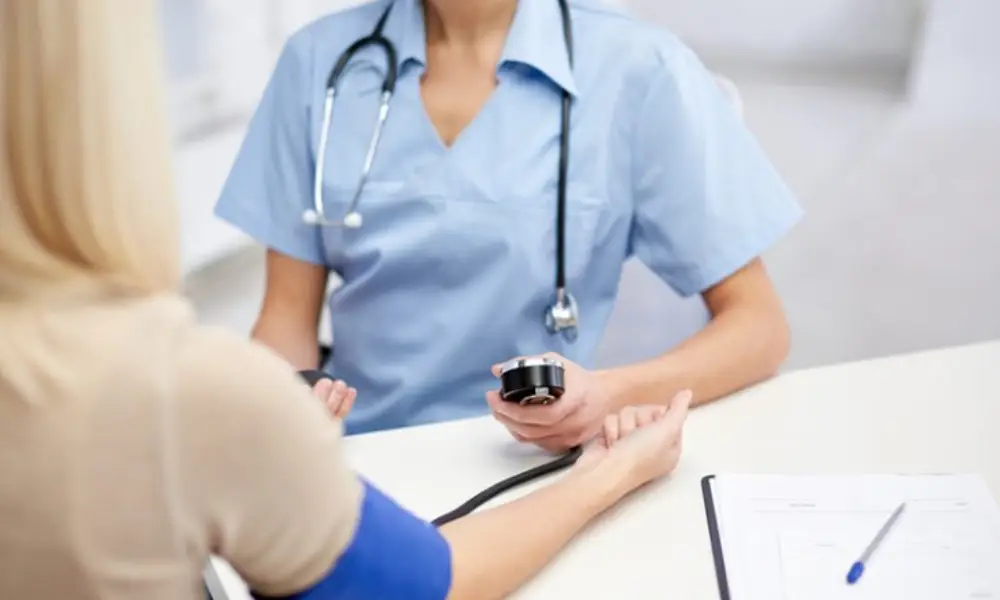
Climbing Mount Kilimanjaro is a dream for many adventurers. But while you prepare for the breathtaking views and high altitudes, it’s natural to wonder: Are there medical facilities on Mount Kilimanjaro? The short answer is yes, but not in the way you may expect.
In this article, we will explain everything you need to know about the medical support available on Mount Kilimanjaro. We will also cover what you need to bring, how to prepare, and what to do in case of a medical emergency. If you are planning to climb Mount Kilimanjaro with Tanzania Safari Experience, this guide will help you feel more confident and safe.
Understanding Mount Kilimanjaro’s Terrain and Risks
Mount Kilimanjaro is the highest mountain in Africa. The official Mount Kilimanjaro height is 5,895 meters (19,341 feet) above sea level. It is located in Mount Kilimanjaro National Park, in Tanzania, the country where Mount Kilimanjaro is located.
It is a dormant volcano with three peaks: Kibo, Mawenzi, and Shira. If you’re wondering how was Mount Kilimanjaro formed, it was created by volcanic activity over millions of years. Today, it is a popular destination for trekkers around the world.
While climbing Mount Kilimanjaro, hikers face challenges such as:
- Extreme altitude
- Cold Mount Kilimanjaro weather
- Limited oxygen
- Steep trails
These conditions increase the risk of altitude sickness and other health issues.
Are There Medical Facilities on the Mountain?
There are no hospitals or large clinics on the mountain. However, basic medical support is available at certain points along the routes. Here’s what you can expect:
1. Rescue and First Aid Support
Most professional tour operators, like Tanzania Safari Experience, include trained guides who carry first aid kits and emergency oxygen. These guides are also trained to identify signs of altitude sickness and other issues.
2. High-Altitude Rescue Services
Mount Kilimanjaro has a team of trained rangers and rescue workers. If needed, climbers can be evacuated by stretcher or even helicopter. Helicopter evacuations are rare and only used in serious emergencies.
3. Park Ranger Posts
Certain camps and ranger posts have small medical huts or stations, especially on popular routes like Machame and Marangu. These are not full clinics but may offer basic care for common issues.
What Happens During a Medical Emergency?
If you feel unwell during your Mount Kilimanjaro hike, you must tell your guide immediately. Here’s what typically happens:
- The guide will assess your symptoms.
- Oxygen and first aid may be given.
- If needed, you will be helped down to a lower altitude.
- In serious cases, you will be evacuated to a hospital in Moshi or Arusha.
Being honest about how you feel can save your life. Most Mount Kilimanjaro deaths are due to delayed responses to altitude sickness.
Common Medical Issues on Mount Kilimanjaro
Knowing what might happen can help you prepare. Here are the most common issues:
1. Acute Mountain Sickness (AMS)
- Headaches
- Nausea
- Dizziness
2. Hypothermia
- Caused by extreme cold temperatures
- Dress in layers to avoid this
3. Dehydration
- Drink 3–4 liters of water daily
4. Blisters and Muscle Pain
- Wear proper hiking boots
- Stretch before and after trekking
RELATED ARTICLE: Is It Advisable to Climb Kilimanjaro During the Rainy Season?
Preparing for Medical Needs Before the Climb
Before you begin your mountain Kilimanjaro adventure, make sure to prepare well:
Pack a Personal Medical Kit
Include:
- Pain relievers
- Band-aids
- Blister treatment
- Diarrhea medicine
- Personal prescriptions
Get a Health Check
Visit your doctor before traveling. Make sure you are fit for high altitudes.
Consider Travel Insurance
Choose a plan that covers high-altitude trekking and emergency evacuation. This is important for climbing Mount Kilimanjaro safely.
Tanzania Safari Experience’ Safety Measures
At Tanzania Safari Experience, we take your safety seriously. We offer:
- Daily health checks
- Professional guides trained in mountain medicine
- Emergency oxygen and pulse oximeters
- Constant communication with rescue teams
We also help you acclimatize properly so you can avoid altitude sickness. Our team ensures a safe and enjoyable Mount Kilimanjaro hike.
What to Do If You Feel Sick on the Mountain
Don’t ignore the signs. Follow these steps:
- Tell your guide right away.
- Sit down, rest, and take deep breaths.
- Drink water and stay warm.
- Let your guide decide if you need to descend.
You are never alone on the mountain. Our team is there to help you every step of the way.
Mount Kilimanjaro Facts: Quick Medical Guide
- Where is Mount Kilimanjaro located? Tanzania, East Africa
- How tall is Mount Kilimanjaro? 5,895 m (19,341 ft)
- How long does it take to climb Mount Kilimanjaro? 6–9 days
- Is Kilimanjaro dangerous? With a good operator, it is safe for most people
- Are there doctors on the mountain? No, but there are trained guides and rescue options
- Can I be evacuated from Mount Kilimanjaro? Yes, by foot or helicopter if needed
Frequently Asked Questions (FAQs)
1. Is Mount Kilimanjaro safe to climb?
Yes, if you choose a trusted tour operator like Tanzania Safari Experience and follow your guide’s instructions.
2. What if I get altitude sickness?
Your guide will monitor your health. You may be asked to rest or descend to lower altitude.
3. Can I find hospitals on Mount Kilimanjaro?
No. Hospitals are located in nearby towns like Moshi and Arusha.
4. Is travel insurance required?
It’s strongly recommended. Make sure it covers emergency evacuations.
5. What should I do if someone in my group is sick?
Tell the guide immediately. They will take care of the situation.
Final Thoughts
So, are there medical facilities on Mount Kilimanjaro? The answer is: not in the traditional sense. But with the right preparation, trained guides, and proper safety measures, you will be in good hands. Climbing Kilimanjaro is a life-changing experience, and your health is always a top priority.
Plan your dream Mount Kilimanjaro hike with Tanzania Safari Experience today—your safety is our mission.
