
What Is the Climate Like on Mount Kilimanjaro?
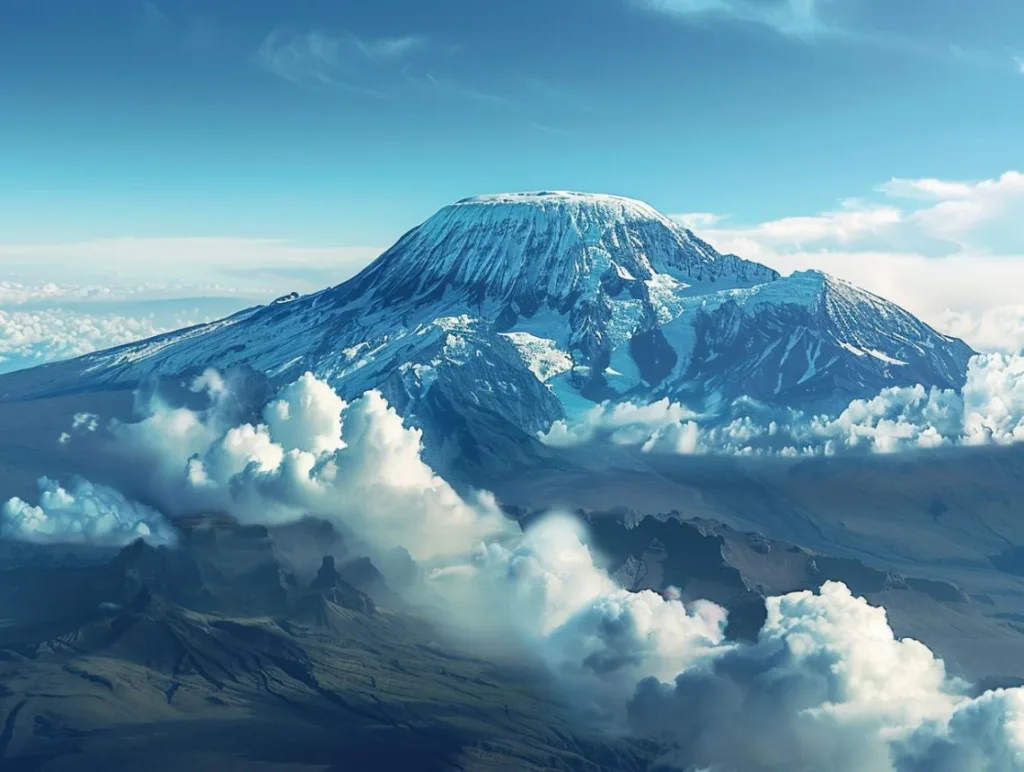
What Is the Climate Like on Mount Kilimanjaro?
Mount Kilimanjaro is the highest mountain in Africa and one of the most famous trekking destinations in the world. But before you plan your hike, it’s important to understand the climate of this great mountain. The climate on Mount Kilimanjaro changes a lot from the bottom to the top. You can walk through tropical forests, moorlands, alpine deserts, and even snow— all in one climb!
If you’re wondering “What is the climate like on Mount Kilimanjaro?”, this detailed guide will help you understand everything, from temperatures to weather changes and how to prepare. Whether you’re planning your trip or just curious, this guide is for you.
Where Is Mount Kilimanjaro Located?
Mount Kilimanjaro is located in Tanzania, East Africa. It stands in the Mount Kilimanjaro National Park, near the border with Kenya. If you’re looking at a Mount Kilimanjaro map, you’ll see it close to the equator.
In What Country Would You Find Mount Kilimanjaro?
Mount Kilimanjaro country is Tanzania. Many travelers fly into Kilimanjaro International Airport, with direct flights to Mount Kilimanjaro from major cities around the world.
How Tall Is Mount Kilimanjaro?
Kilimanjaro’s height is about 5,895 meters (19,341 feet) above sea level. That makes it the tallest free-standing mountain in the world!
Mount Kilimanjaro elevation: 5,895 meters
Mount Kilimanjaro height in feet: 19,341 ft
How high is Mount Kilimanjaro? Very high—almost 6 km up!
Climate Zones on Mount Kilimanjaro
Mount Kilimanjaro has five main climate zones. As you climb higher, the temperature and environment change quickly.
1. Cultivation Zone (800m – 1,800m)
Warm and humid
Used for farming bananas, coffee, and maize
Rain is common
2. Rainforest Zone (1,800m – 2,800m)
Hot and humid with heavy rainfall
Lush green forest with monkeys, birds, and butterflies
Bring rain gear if hiking here
3. Moorland Zone (2,800m – 4,000m)
Cool and dry with strong sun during the day
Can be cold at night
Giant groundsels and other unique plants grow here
4. Alpine Desert Zone (4,000m – 5,000m)
Very dry and windy
Big temperature swings between day and night
Few plants or animals survive
5. Arctic Zone (Above 5,000m)
Cold, icy, and snowy
Oxygen is low, and altitude sickness is a risk
Snow and glaciers cover the summit
What Is the Weather Like on Mount Kilimanjaro?
Temperature
Mount Kilimanjaro weather changes depending on altitude and time of year.
At the base (rainforest): 20°C – 30°C (68°F – 86°F)
At the summit (Uhuru Peak): -7°C to -29°C (19°F to -20°F)
It’s possible to experience all four seasons in just one day while climbing!
Rainfall
There are two rainy seasons:
March to May: Long rains (heavy rain, muddy trails)
November to mid-December: Short rains
The best time to hike is during the dry seasons:
January to early March
June to October
RELATED ARTICLE: How Much Does It Cost to Climb Kilimanjaro Per Person ?
Best Time to Climb Mount Kilimanjaro
If you want to avoid rain and get the best views, climb during the dry months.
Popular Months:
June to October: Cool, dry, and clear skies
January to March: Warmer, also dry and less crowded
These are the best months for climbing Mount Kilimanjaro.
How Long Does It Take to Climb Mount Kilimanjaro?
Most treks take 6 to 9 days
More days = better chance of reaching the summit
Slower climbs help you avoid altitude sickness
Popular routes include:
Machame Route (7 days)
Lemosho Route (8 days)
Marangu Route (6 days)
Mount Kilimanjaro Hike: What to Expect with the Weather
Here’s what you might feel during your climb:
| Zone | Temperature | Weather Conditions |
|---|---|---|
| Cultivation Zone | 20–30°C | Warm, humid |
| Rainforest Zone | 15–25°C | Rainy, lush |
| Moorland Zone | 5–15°C | Sunny days, cold nights |
| Alpine Desert Zone | -5–10°C | Windy, dry, big temperature changes |
| Arctic Zone | -7 to -29°C | Freezing, snow, glaciers |
Wear layers so you can add or remove clothes as needed.
How Was Mount Kilimanjaro Formed?
Mount Kilimanjaro is a volcano. It was formed about three million years ago by volcanic activity. It has three volcanic cones:
Kibo (the highest peak – Uhuru Peak)
Mawenzi
Shira
What Type of Volcano Is Mount Kilimanjaro?
It’s a stratovolcano, made from layers of lava and ash. Kibo is considered dormant, but not extinct.
When Did Mount Kilimanjaro Last Erupt?
Kilimanjaro last erupted about 360,000 years ago, and its most recent activity was about 200 years ago.
Mount Kilimanjaro Deaths: Is It Safe?
Yes, climbing Mount Kilimanjaro is generally safe. But it’s a high mountain, and altitude sickness is real. Every year, there are a few Mount Kilimanjaro deaths, usually from acute mountain sickness (AMS), not from falls or danger.
Stay Safe Tips:
Climb slowly
Drink lots of water
Listen to your guide
Choose a longer route
Mount Kilimanjaro Facts You Should Know
Here are some fun and useful facts:
Mount Kilimanjaro is in Mount Kilimanjaro National Park
The summit is called Uhuru Peak
It’s one of the Seven Summits of the world
It’s the tallest free-standing mountain (not part of a range)
You don’t need climbing gear—just strong legs and good prep
Mount Kenya vs Mount Kilimanjaro
Which Is Higher?
Mount Kilimanjaro: 5,895 meters
Mount Kenya: 5,199 meters
Kilimanjaro is the tallest, but Mount Kenya is more technical.
Mount Kenya vs Kilimanjaro: Which One to Choose?
Kilimanjaro: Popular, non-technical, world-famous
Mount Kenya: Less crowded, more rock climbing
Mountain Kilimanjaro Is Located in a Tropical Area—So Why Is There Snow?
Even though Mountain Kilimanjaro is located in Tanzania, near the equator, it is so tall that the top reaches freezing temperatures. That’s why snow and glaciers are still found at the summit.
How to Prepare for Mount Kilimanjaro Weather
Packing Tips:
Rain gear for the rainforest zone
Warm layers for higher altitudes
Sun protection for the moorland and alpine zones
Gloves and hat for the summit
Good hiking boots
Extra Tips:
Use layers: Base layer, insulation layer, and outer layer
Avoid cotton; choose wool or synthetic fabrics
Bring a good sleeping bag (rated for cold temperatures)
Mount Kilimanjaro Photos and Views
From green rainforests to snowy peaks, Mount Kilimanjaro photos are always breathtaking. Each zone has different views, plants, and wildlife. Don’t forget your camera!
Is Kilimanjaro Evil?
Many local stories and myths exist around Mount Kilimanjaro. Some tribes believed it was the home of spirits or gods. But no, Kilimanjaro is not evil—it’s majestic and beautiful.
Frequently Asked Questions (FAQ)
1. What is the weather like on Mount Kilimanjaro?
It depends on where you are. Warm at the base, cold at the summit. Expect rain in the forest and snow on top.
2. How cold does it get at the top of Kilimanjaro?
Temperatures at the summit can fall below -20°C (-4°F), especially at night.
3. When is the best time to hike Mount Kilimanjaro?
June to October and January to March are the best months. These are the dry seasons.
4. Do I need special gear to climb Kilimanjaro?
You don’t need ropes or climbing tools. But you need warm clothes, good boots, and a strong will.
5. Where is Mount Kilimanjaro located?
In northern Tanzania, in Mount Kilimanjaro National Park.
Plan Your Mount Kilimanjaro Adventure
Now that you understand what the climate is like on Mount Kilimanjaro, you can plan better. Knowing the weather helps you prepare the right gear and choose the best time to hike.
Ready to reach the Roof of Africa?
Climb Mount Kilimanjaro with Tanzania Safari Experience—your local Tanzania safari and trekking expert.
Let us help you plan a safe and unforgettable journey through all five climate zones, from forest to snow!
