
What Is the Importance of Cardio Training? A Guide for Mount Kilimanjaro Climbers
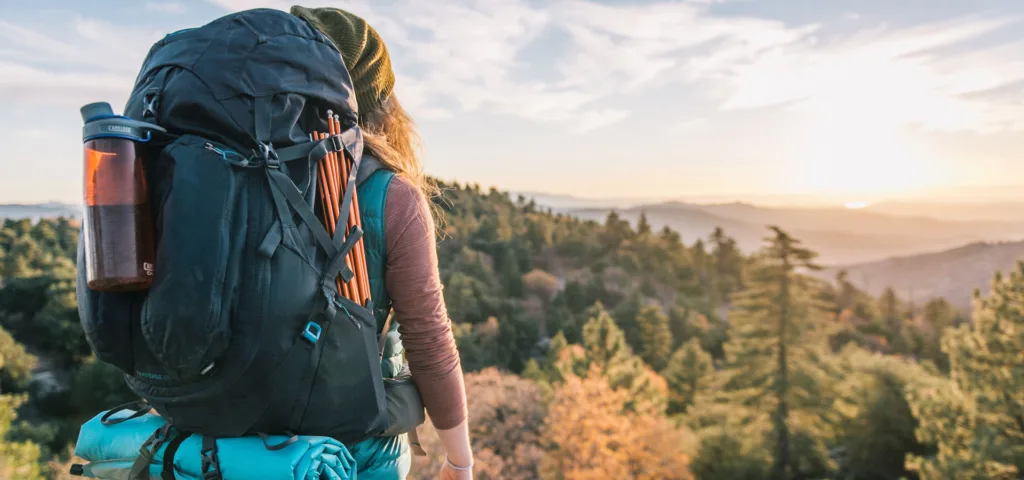
Climbing Mount Kilimanjaro is an incredible achievement. But to reach the summit of the highest free-standing mountain in the world, your body must be ready for the challenge. One of the most important parts of preparing for this adventure is cardio training.
So, what is the importance of cardio training when climbing Mount Kilimanjaro? In simple words: cardio helps your heart, lungs, and muscles work better in low-oxygen conditions, like the ones found at high altitudes.
In this article, you’ll learn everything you need to know about why cardio matters, how it helps during your Mount Kilimanjaro hike, and the best ways to get your body ready.
Table of Contents
What Is Cardio Training?
Why Cardio Is Crucial for Mount Kilimanjaro
How Altitude Affects the Body
Benefits of Cardio for High-Altitude Hiking
How to Do Cardio Training Before Your Climb
Sample 8-Week Cardio Plan for Kilimanjaro
What Happens Without Cardio Training?
FAQs About Cardio and Kilimanjaro
Final Thoughts – Train Smart, Climb Safe
1. What Is Cardio Training?
Cardio training, also called cardiovascular exercise or aerobic exercise, is any activity that increases your heart rate and keeps it high for a period of time. This type of exercise helps your heart and lungs become stronger and more efficient.
Common types of cardio include:
Brisk walking
Running or jogging
Cycling
Swimming
Stair climbing
Hiking
When you do cardio regularly, your body learns how to use oxygen better. This is especially important when hiking in places with thin air, like the mountain Kilimanjaro.
2. Why Cardio Is Crucial for Mount Kilimanjaro
Mount Kilimanjaro is a very tall mountain—mount kilimanjaro height is about 5,895 meters (19,341 feet) above sea level. At that elevation, the air contains less oxygen. That means your heart and lungs must work harder to supply your body with what it needs.
Cardio training prepares your body to deal with this stress. It makes your:
Heart stronger – so it can pump more blood with each beat
Lungs more efficient – to pull in oxygen and get rid of carbon dioxide
Muscles better at using oxygen – especially important during long hikes
Without good cardio fitness, many people suffer from fatigue, dizziness, or altitude sickness while climbing.
3. How Altitude Affects the Body
The higher you go, the thinner the air. That means less oxygen for your body. At sea level, the oxygen level is about 21%. At the summit of Mount Kilimanjaro, it’s around 10%.
This causes:
Shortness of breath
Headaches
Fatigue
Nausea
Poor sleep
Slower recovery
A strong cardiovascular system helps reduce these effects and keeps you going. That’s why cardio training is not optional—it’s essential if you want to climb Kilimanjaro safely and enjoyably.
4. Benefits of Cardio for High-Altitude Hiking
Doing regular cardio before your Kilimanjaro climb offers many benefits:
1. More Endurance
You’ll be walking for hours each day, sometimes uphill on steep terrain. Cardio gives you the stamina to keep going.
2. Better Breathing
Your lungs will be trained to take in and use oxygen more efficiently. This is vital in Mount Kilimanjaro national park, where the air gets thinner as you go up.
3. Lower Heart Rate
A trained heart doesn’t need to beat as fast to get oxygen to your muscles, helping you conserve energy.
4. Faster Recovery
After a hard day on the trail, good cardio fitness helps your body recover quicker for the next day’s challenge.
5. Reduced Risk of AMS (Acute Mountain Sickness)
Although no training can 100% prevent altitude sickness, better cardio health lowers your risk and makes symptoms more manageable.
5. How to Do Cardio Training Before Your Climb
You don’t need to be an Olympic athlete to climb Mount Kilimanjaro. But you do need to train smart and consistently. Here’s how:
Start Early
Begin your cardio training at least 8–12 weeks before your climb. The earlier, the better.
Mix It Up
Use a combination of cardio exercises to prepare different muscles and avoid boredom:
Walk or hike on trails
Do stair climbing or hill sprints
Use a treadmill or elliptical
Go swimming or cycling for low-impact options
Train at Higher Elevations (If Possible)
If you live near mountains or hills, do some hikes at higher altitudes. Your body will begin to acclimatize to lower oxygen levels.
Add a Backpack
Practice hiking with a backpack that weighs 5–10 kg (11–22 lbs). This simulates the real experience of climbing Mount Kilimanjaro.
Be Consistent
Train 4–5 days per week. Consistency matters more than intensity.
6. Sample 8-Week Cardio Plan for Mount Kilimanjaro
| Week | Activity (Days/Week) | Duration | Notes |
|---|---|---|---|
| 1-2 | Walking, Hiking | 30–45 min | Build habit |
| 3-4 | Jogging + Hiking | 45–60 min | Add small hills |
| 5-6 | Stair Climbing | 60–75 min | Wear backpack |
| 7 | Long Hike | 4–6 hrs | Simulate trail |
| 8 | Taper + Light Hikes | 30–60 min | Let body rest |
Remember to stretch after every session, drink water, and listen to your body.
7. What Happens Without Cardio Training?
Skipping cardio training can lead to serious problems on the mountain:
You may struggle to breathe
You might tire quickly and slow the group
Your chance of altitude sickness increases
You may fail to reach the summit
Some hikers even experience medical emergencies. The number of Mount Kilimanjaro deaths is small, but most are due to poor preparation and health issues—not the mountain itself.
With cardio training, your journey becomes safer, more enjoyable, and successful.
RELATED ARTICLE: What Is the Recommended Fitness Level to Climb Mount Kilimanjaro?
8. FAQs About Cardio and Kilimanjaro
Q: Can I climb Mount Kilimanjaro without training?
A: It’s not recommended. Even though the routes don’t require technical climbing, the high elevation makes it very hard. Without training, your body may not cope with the thin air.
Q: How long does it take to climb Mount Kilimanjaro?
A: Most people take between 6 to 9 days, depending on the route. Longer itineraries give your body more time to adapt to the altitude.
Q: Is Kilimanjaro harder than Mount Kenya?
A: Mount Kenya vs Kilimanjaro is a common question. Kilimanjaro is higher, and the altitude makes it harder. Mount Kenya is more technical, but Kilimanjaro demands more cardio fitness.
Q: How was Mount Kilimanjaro formed?
A: Kilimanjaro is a stratovolcano, formed from layers of lava and ash. Scientists believe it formed around 750,000 years ago.
Q: What type of volcano is Mount Kilimanjaro?
A: It is a dormant stratovolcano with three cones: Kibo, Mawenzi, and Shira.
9. Final Thoughts – Train Smart, Climb Safe
Cardio training is one of the most important parts of preparing to climb Mount Kilimanjaro. It helps your heart, lungs, and muscles get ready for the challenge of high-altitude hiking.
If you’re planning your adventure to mount kilimanjaro country (Tanzania), start training now. Don’t wait.
At Climb Mount Kilimanjaro by Tanzania Safari Experience, we support our climbers with expert advice, custom itineraries, and preparation tips to help you reach the summit safely and confidently.
Plan your dream Mount Kilimanjaro hike with Tanzania Safari Experience today!
