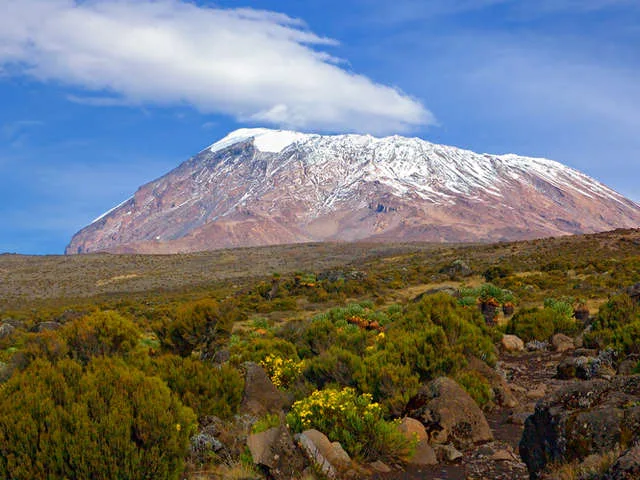
8 Days Machame Route Kilimanjaro Climb

Free Cancellation

Cancel up to 30 days before

Expert Local Guides

10+ years in Tanzania

No Hidden Fees

All-inclusive pricing

24 / 7 Support

We're always available

Overview of the 8 Days Machame Route Kilimanjaro Climb

8 Days Machame Route Kilimanjaro Climb: 6-Day Trek Itinerary

An 8-day Machame Route tour gives you six days on Mount Kilimanjaro, plus an arrival day and a departure day. It suits fit travelers who want the scenery and challenge of the Machame Route but have limited time and understand that the itinerary moves faster than a seven-day trekking version.

The climb begins in Kilimanjaro’s rainforest, crosses the open Shira Plateau, reaches the alpine desert around Lava Tower, and approaches the summit from Barafu Camp. You descend through Mweka Gate after reaching Uhuru Peak at 5,895 metres.

This itinerary includes useful acclimatization through the “climb high, sleep low” section between Lava Tower and Barranco Camp. However, the route combines Barranco, Karanga, and Barafu in one long day, making it more demanding than the slower seven-day Machame trek.

In our experience at Tanzania Safari Experience, this route works best for hikers with good endurance, previous multi-day trekking experience, and limited holiday time. First-time high-altitude trekkers should seriously consider adding one more trekking day for better rest, recovery, and acclimatization.
High demand: This Trekking books 4–8 weeks ahead during peak season (June–October).
  • 1
    $2,081/pp
    .:$2,081
  • BEST VALUE
    2
    $1,651/pp
    .:$1,651
  • 3, 4-5
    $1,472/pp
    .:$1,472
  • 6+
    $1,389/pp
    .:$1,389
  • Mid-Range Lodging:
  • Kids under 15 receive a special discount. Contact us when booking.

8 Days Machame Route Kilimanjaro Climb - Summit Success Rate

The 6-day Machame Route generally has a lower summit success rate than the 7-day version because climbers have less time to acclimatize and recover before summit night. While many well-prepared hikers reach Uhuru Peak, no responsible operator can guarantee success, as altitude response varies between individuals. For the best chance of reaching the summit safely, we usually recommend adding an extra acclimatization day.

Kilimanjaro Success Rate Calculator

US units
Metric
How many days is your climb?
Active (run 3–5 km)
Climbed above 4,000 m (13,100 ft) in the last 2 years?
Do you smoke regularly?
Estimated Summit Success Rate
Quick breakdown of factors:
• Route base rate: %
• Climb duration adjustment: %
• Fitness adjustment: %
• Prior high-altitude experience: %
• Smoking status: %
• Age & weight influence: %
This is an estimated probability based on reported summit success rates and physiological factors.
Real outcomes depend heavily on weather, guide quality, hydration, group support, and personal resilience.
This tool is for informational purposes only — always consult your doctor before high-altitude trekking.

Day-by-Day Itinerary 8 Days Machame Route Kilimanjaro Climb — Tanzania Safari

Your safari is carefully planned to maximize wildlife viewing while still giving you time to relax and enjoy the journey. Here’s what you can expect day by day.

Climb Mount Kilimanjaro Itinerary

1Day

Arrival at Kilimanjaro International Airport
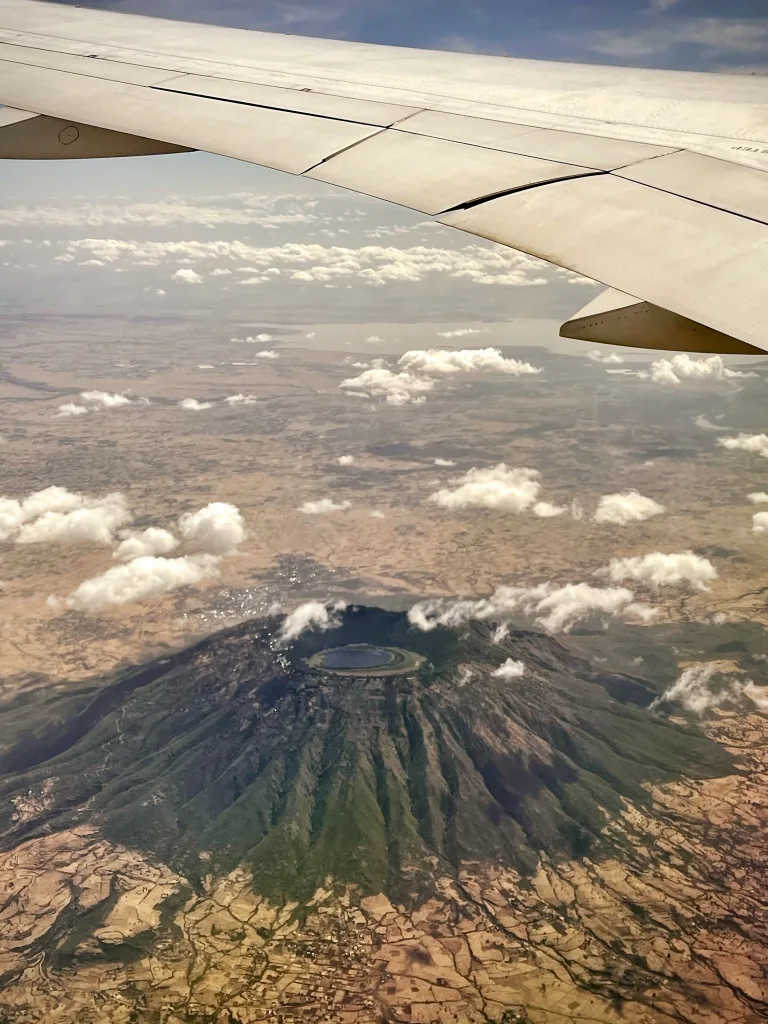
Kilimanjaro International Airport

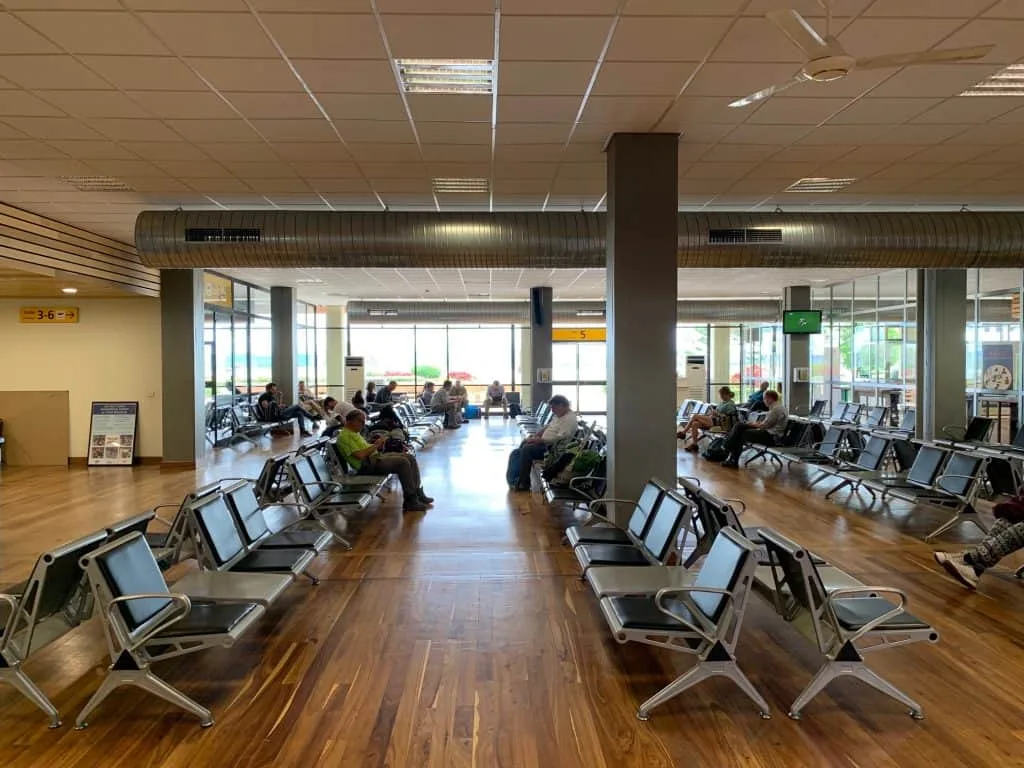
Your arrival day is used for airport transfer, hotel check-in, equipment inspection, health preparation, and a detailed climb briefing. Arriving early enough to rest is important because poor sleep, delayed luggage, dehydration, or rushed equipment preparation can affect your first trekking day.

A Tanzania Safari Experience representative will meet you at Kilimanjaro International Airport and transfer you to your hotel in the Kilimanjaro or Arusha area. Your accommodation will provide a proper bed, hot shower, meals, Wi-Fi, and a comfortable place to recover from your flight.

Hotel check-in normally begins at approximately 2:00 PM. Guests arriving early may need to wait for their room or arrange early check-in in advance.

Later, your mountain team will explain the route, expected weather, daily routine, altitude symptoms, tipping procedure, safety system, and summit-night plan. Your clothing and equipment will also be checked.

Do not treat the gear inspection as a formality. Missing waterproof trousers, poor gloves, unsuitable boots, or a weak headlamp can become serious problems higher on the mountain.

Where possible, members of a private group should coordinate their arrival and departure flights. Separate airport transfers may create additional costs.

Expert Recommendation from Tanzania Safari Experience

Pack essential climbing equipment in your hand luggage, including boots, waterproof layers, medication, gloves, base layers, and one complete trekking outfit. Checked baggage can be delayed, but your climb cannot easily be postponed once permits, guides, porters, accommodation, and transfers have been arranged.
2Day

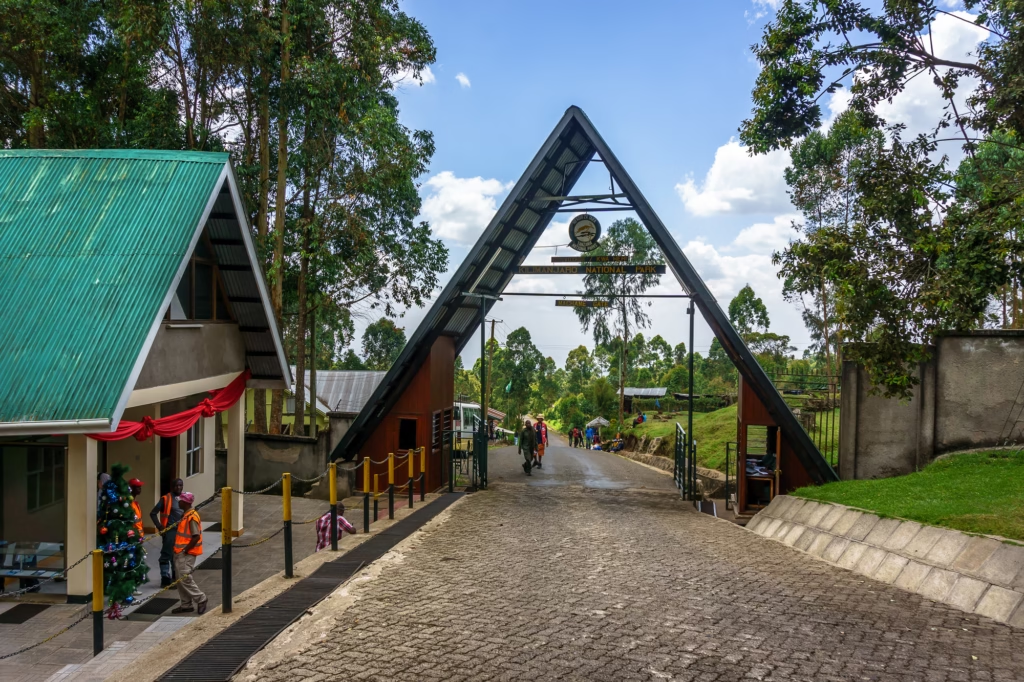
Machame Gate to Machame Camp

machame gate to machame camp

The first trekking day begins at Machame Gate and climbs through dense montane rainforest to Machame Camp. The trail is often wet, muddy, and humid, especially during rainy periods, so waterproof clothing, gaiters, trekking poles, and properly broken-in boots are more useful than travelers sometimes expect.

After breakfast, your guide and mountain support crew will meet you at the hotel. You will drive to Machame Gate, complete registration, confirm climbing permits, and prepare the equipment carried by the porter team.

Registration can take time when several groups arrive together. Keep your rain jacket, water, snacks, passport details, and daypack accessible rather than packing them inside a porter bag.

The trail rises steadily through the rainforest. You may see moss-covered trees, giant ferns, wildflowers, and occasional blue monkeys or black-and-white colobus monkeys. Wildlife sightings are possible but should not be expected as the main purpose of the trek.

Tropical rain can begin quickly. Keep your waterproof jacket close, even when the morning appears clear. A waterproof cover alone may not protect everything, so clothing and electronics should also be packed inside dry bags.

Machame Camp sits above the thickest rainforest. Temperatures become cooler after sunset, and the first night in a tent can feel colder than expected after the humid lower trail.

Terrain: Rainforest, mud, roots and steady uphill trail

Tell your guide immediately if you develop a persistent headache, nausea, dizziness, unusual weakness, loss of coordination, or breathing difficulty. Hiding symptoms does not increase your summit chances.

Drink regularly throughout the day according to the advice of your guide and doctor. Many trekkers aim for approximately three to four litres of fluid daily, but individual needs differ and excessive water intake can also be dangerous.

Medication for altitude illness should only be used after discussing suitability, dosage, allergies, and side effects with a qualified medical professional.

Trekking time
5–6 hours
Distance
5 km
3Day

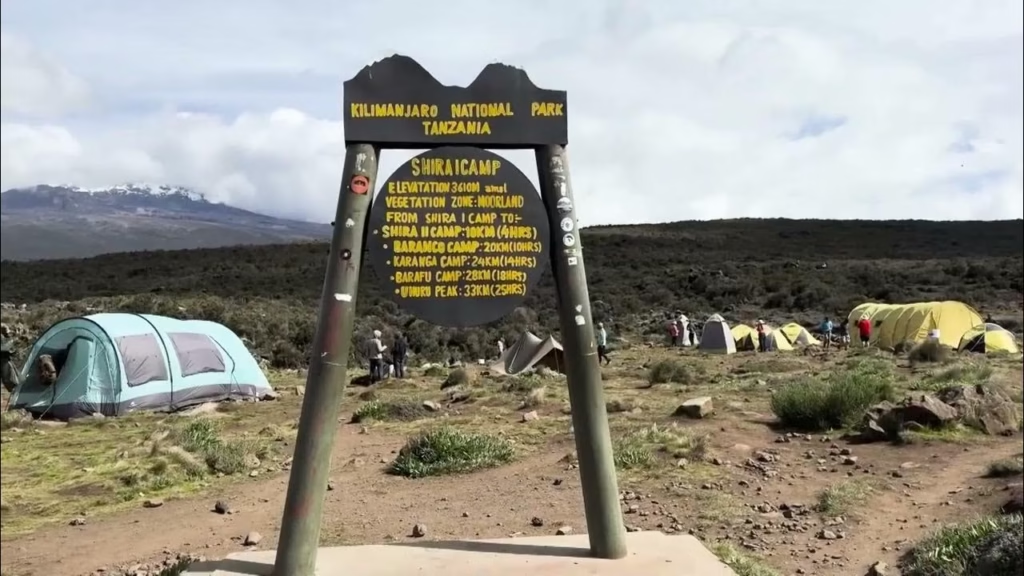
Machame Camp to Shira Camp

Day 3: Shira Camp to Barranco Camp via Lava Tower

The trek from Machame Camp to Shira Camp is short in distance but includes a significant gain in altitude. You leave the forest, cross heath and moorland, and reach the Shira Plateau, where the thinner air becomes more noticeable even though the walking is not technically difficult.

After breakfast, the trail climbs through shorter vegetation toward the Shira Plateau. On clear days, the landscape opens dramatically, with views toward Kibo and across the western slopes of Kilimanjaro.

The day may appear easy because the distance is only about five kilometres. That assumption is misleading. At altitude, a short uphill walk can feel harder than a longer trail near sea level.

Your guide will deliberately control the pace. Walking too fast can increase fatigue and may make altitude symptoms more noticeable.

After arriving at Shira Camp, you will eat, rest, and prepare for an optional or planned acclimatization hike toward the Lava Tower direction. The purpose is to gain altitude temporarily before descending to sleep lower.

Shira Camp altitude: Approximately 3,750 m

Acclimatization hike:
Starting point: Shira Camp, approximately 3,750 m
Highest point: Approximately 4,120 m
Distance: Approximately 2 km
Time: Approximately 1–2 hours

The acclimatization hike should not be dismissed because you feel tired. Reaching a higher elevation and then returning to camp can help your body begin adjusting to lower oxygen levels.

However, the hike is not compulsory when a guide believes that rest is medically more appropriate. Safety decisions should be based on your condition, not pressure to follow the written schedule exactly.

Expectations vs Reality

Many travelers expect Shira Camp to feel comfortable because the trekking day is relatively short. In reality, this is often where people first notice reduced appetite, light sleep, a mild headache, or unusual fatigue.

Trekking time
4–5 hours
Distance
5 km
4Day

Shira Camp to Lava Tower and Barranco Camp

Day 4: Barranco Camp (3,900 m) to Karanga Camp (3,995 m)

This is the key acclimatization day on the Machame Route. You climb from Shira Camp to Lava Tower at approximately 4,600 metres, remain high long enough for your body to experience the altitude, and then descend to sleep at Barranco Camp at a lower elevation.

The trail crosses open, rocky terrain below Kibo. Vegetation becomes sparse, temperatures fluctuate, and the landscape feels much more exposed than the previous days.

The route contains repeated ascents and descents. It can feel tiring even when your overall pace is slow.

Lava Tower is the highest point reached so far. Some trekkers experience headache, reduced appetite, nausea, or weakness here. Your guide will monitor your speech, movement, appetite, breathing, and general condition.

Lunch is normally served around Lava Tower, giving the group time at altitude before beginning the descent. The principle is simple: climb high, sleep lower.

After lunch, the route descends toward Barranco Camp. Many climbers feel better as they lose elevation, although this does not mean altitude concerns should be ignored.

Barranco Camp sits below the southern face of Kibo and near the Barranco Wall. The wall looks steep from camp, but it is a hiking and scrambling section rather than a technical rock climb.

Highest point: Lava Tower, approximately 4,600 m
Overnight: Barranco Camp

Weather can change several times during this stage. You may experience sun, cold wind, mist, sleet, or light snow within the same day.

Keep gloves, a warm layer, rain protection, snacks, and water accessible. Placing all warm clothing inside the porter bag is a common and avoidable mistake.

Trekking time
6–8 hours
Distance
Approximately 11 km
5Day

Barranco Camp to Karanga Camp and Barafu Camp

Day 5: Karanga Camp (3,995 m) to Barafu Camp (4,673 m)

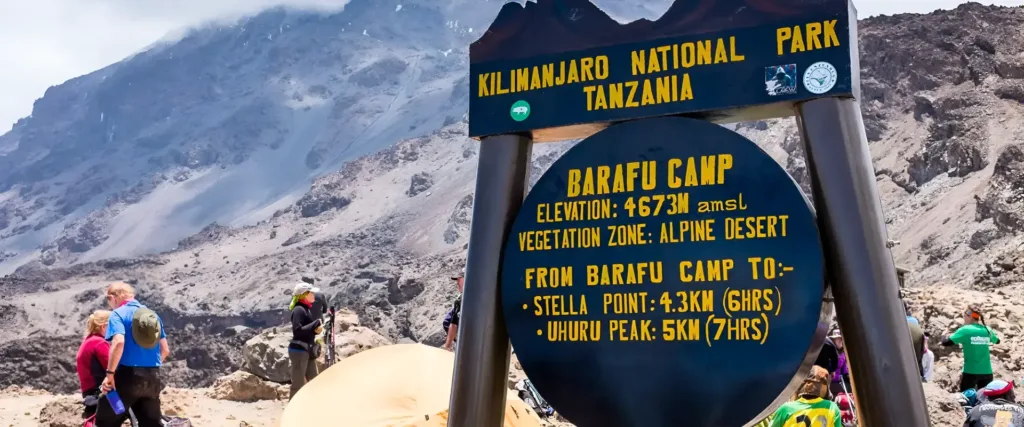
Day 5 is the main weakness of the six-day Machame itinerary because it combines the Barranco Wall, Karanga Valley, and the climb to Barafu Camp in one long stage. You must then eat, rest, and begin your summit attempt around midnight, leaving limited recovery time.

The day starts early so your group can reach the Barranco Wall before the busiest period. Several routes merge around this section, and queues can form where climbers must pass narrow points.

The wall usually takes about one to two hours, depending on crowding and group pace. Hands are occasionally used for balance, but ropes and specialist climbing equipment are not normally required.

One well-known narrow section is sometimes called the “Kissing Rock” because hikers turn close to the rock while passing. It looks more dramatic in photographs than it feels when crossed carefully with guide support.

After the wall, the trail continues through repeated descents and climbs toward Karanga Camp. The valley is tiring because every descent must be followed by another ascent.

You will normally stop around Karanga for lunch and a short recovery period. On the slower Machame itinerary, Karanga is an overnight camp. On this itinerary, you must continue to Barafu.

The final ascent to Barafu crosses exposed alpine desert. The camp is rocky, cold, windy, and busy. There is little vegetation and limited shelter outside the tents.

Overnight: Barafu Camp
Next stage: Summit departure around midnight

After arrival, prepare your summit clothing, water, headlamp, spare batteries, snacks, gloves, and daypack before attempting to sleep. Do not wait until midnight to organize your equipment in the dark.

Eat even when your appetite is low. Summit night requires energy, but altitude frequently reduces hunger.

Common Mistake

Travelers often underestimate the combined effect of the Barranco Wall, Karanga Valley, the climb to Barafu, cold weather, and poor sleep. Reaching Barafu is not the end of the day. It is the preparation period for the hardest stage of the entire climb.

Expert Recommendation from Tanzania Safari Experience

For most first-time climbers, we recommend sleeping at Karanga Camp and continuing to Barafu the following day. The extra day does not make the mountain easy, but it improves pacing and provides more recovery before summit night.

Trekking time
8–10 hours
Distance
Approximately 11 km
6Day

Barafu Camp to Uhuru Peak and Millennium Camp

Day 6: Barafu Camp to Uhuru Peak (5,895 m) and Down to Millennium Camp (3,950 m)

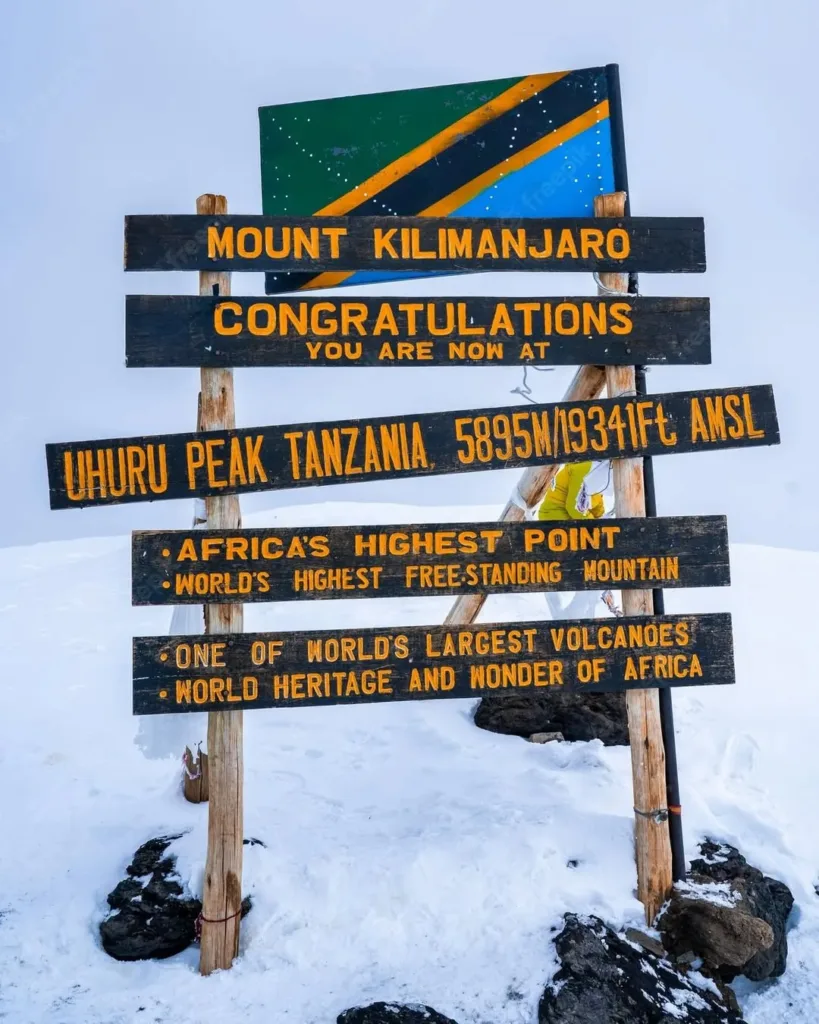
Summit day is the longest and most difficult stage of the Machame Route. You begin climbing at night, reach Stella Point and Uhuru Peak in the morning, descend to Barafu for a short rest, and then continue much farther down to Millennium Camp.

Your guide will wake you around 11:00 PM or midnight. You will dress in layers, drink something warm, eat a light snack, and begin climbing with your headlamp.

The trail rises over loose scree and frozen volcanic ground. The pace is deliberately slow. At this altitude, even basic movements can feel exhausting.

The climb is not usually technically difficult, but the combination of cold, darkness, reduced oxygen, fatigue, and mental pressure makes it challenging. Some trekkers who are very fit at sea level struggle because aerobic fitness does not guarantee good acclimatization.

Each climber should be closely monitored. Depending on group organization, additional summit guides may divide the team so that one person can descend without automatically ending the attempt for everyone else.

Stella Point sits on the crater rim at approximately 5,756 metres. From there, the trail continues more gradually toward Uhuru Peak at 5,895 metres.

The sunrise, glaciers, crater rim, and surrounding cloud layer can provide excellent photography. However, time at the summit is usually limited by cold, wind, health, and the need to descend safely.

After reaching Uhuru Peak, you return to Barafu Camp. The descent over loose scree is faster but places heavy pressure on the knees, ankles, toes, and quadriceps.

At Barafu, you will rest briefly, eat, and continue descending to Millennium Camp. This final section can feel longer than expected because the excitement of the summit has passed while fatigue continues to build.

Highest point: Uhuru Peak, 5,895 m
Overnight: Millennium Camp

Most trekking injuries happen during descent rather than ascent. Tired climbers move faster, lose concentration, and place more force on their joints.

Keep your boot laces secure, use trekking poles, shorten your steps, and follow the guide’s pace. Long toenails or poorly fitted boots can cause painful pressure and nail damage during the descent.

Morning vs Midday Reality

The summit is normally reached in the morning because the ground is firmer, the weather is often more stable, and climbers can descend before afternoon conditions become less predictable.

By midday, many trekkers are already far below the crater rim. Staying too long at the summit for photographs is rarely worth additional cold exposure or worsening altitude symptoms.

Trekking time
8–12 hours
Distance
Approximately 15 km
7Day

Millennium Camp to Mweka Gate

Day 7: Millennium Camp (3,950 m) to Mweka Gate (1,640 m)

The final trekking day descends from Millennium Camp through heathland and rainforest to Mweka Gate. Although the altitude decreases and breathing feels easier, the trail may be wet, slippery, and hard on tired knees after the previous day’s summit and descent.

The morning usually feels noticeably warmer than the upper mountain. Vegetation becomes thicker as you continue down.

After breakfast, the group follows the Mweka trail toward the park exit. Rain is still possible, and lower trails can become muddy.

Trekking poles remain useful. Many climbers pack them away too early because they assume the difficult part is finished.

At Mweka Gate, the park authorities complete the final registration process. Climbers who reached Stella Point or Uhuru Peak receive the appropriate summit certificate.

Your team will normally gather for congratulations before your transfer back to the hotel. Tipping is also commonly completed near the end of the climb according to the agreed procedure.

Terrain: Forest trail, mud, roots and downhill sections

Back at the hotel, you can shower, eat, rest, and reorganize your luggage. Do not schedule an immediate long road transfer or tightly timed flight directly after leaving the mountain unless the logistics have been carefully checked.

Trekking time
4–5 hours
Distance
Approximately 12 km
8Day

Departure from Tanzania

Kilimanjaro International Airport

Departure day allows you to rest at the hotel and transfer to Kilimanjaro International Airport. Standard hotel check-out is normally around 10:00 or 11:00 AM, so travelers with evening flights should request late check-out or a day room in advance.

Your airport transfer will be arranged according to your flight time and package conditions. Confirm the pickup time the previous evening.

Keep your passport, flight confirmation, valuables, medication, and summit certificate in your hand luggage. Wet or muddy equipment should be cleaned and dried before packing whenever possible.

Late check-out is not automatically included. An additional charge may apply when your flight departs in the evening.

Many travelers continue to a Tanzania safari or Zanzibar after Kilimanjaro. A rest night before beginning another active itinerary is usually sensible, particularly after the six-day Machame schedule.

Looking for 8 Days Machame Route Kilimanjaro Climb for your dates ?

Receive a free Tanzania safari quote straight to your email within 6 hours! Customize your preferences, and we’ll craft a unique experience just for you. Prices vary based on group size and accommodation choice.

We've got you covered

Our tours are top-notch but give you great value. The price we tell you upfront covers most of the costs for one person, like flights and all transfers.

Connect with our local experts for personalized travel planning

Plan your 8 Days Machame Route Kilimanjaro Climb today

Request a Program
Response within 24 hours
No obligations

8 Days Machame Route Kilimanjaro Climb TripAdvisor Reviews

SEE WHAT OUR GUESTS HAVE TO SAY ABOUT THEIR TANZANIA SAFARI EXPERIENCE.

*For the most recent reviews/testimonials from our guests, please visit our TripAdvisor page and Trustpilot.

Tripadvisorreviews
See all
5
Excellent · 3 reviews
Travellers’ Choice
  • nicolykiardopoul2018
    nicolykiardopoul2018
    June 2, 2026

    Safari May 2026

    This company exceeded everything we’d hoped for. From the start, the tour operator had everything covered — a detailed itinerary laid out well in advance, quick responses to any questions, and a genuine attentiveness that made the whole thing feel effortless. The accommodation was seriously impressive. Not what I was expecting at all — comfortable, well-appointed, and luxurious. We also spent time right in the heart of the bush. A proper treat. The two people who really made this trip were our guide Mariki and photographer Agnes. Mariki’s knowledge of the bush and animal behaviour is something else — he always seemed to know exactly where to go, and his instincts paid off every single time. Agnes has a brilliant eye and captured shots we could never have got ourselves. As for the wildlife — we saw far more than we ever imagined we would. Elephants, lions, leopard, buffalo, giraffe, zebra, hippos — the lot. As a first safari, I couldn’t have asked for more. Would recommend without hesitation.

    Friends getaway · June 2, 2026
    Read more
  • 370godsong
    370godsong
    January 3, 2026

    Great Experience with Tanzania Safari Experience

    We had an amazing safari with Tanzania Safari Experience, and honestly the whole trip was put together really well by Laurent and his team. From our first message to the last day, they were easy to reach, quick to reply, and clear about everything. The plan made sense, the timing was smooth, and we didn’t have to stress about anything. Uncle J was a big part of what made it special. He knows the parks incredibly well and seems to notice things before anyone else. He’d position the vehicle perfectly for photos and often got us to sightings before the crowds built up. We were lucky to see [your highlights: migration / lions / cheetahs / elephants / a crossing], and every drive felt exciting and different. The vehicle was comfortable and in good shape, and everything ran on schedule. If you’re looking for a well-organized safari with a great guide, I’d definitely recommend Tanzania Safari Experience.

    Solo travel · January 3, 2026
    Read more
  • ChrisH11270
    ChrisH11270
    January 1, 2026

    An absolutely brilliant tour / travel company

    What can I say. How do you explain PERFECTION. I will try. From the outset of our trip Ramadhan and Laurent were excellent. We gave them our requirements and budget and they prepared a program that was outstanding. The whole safari went like clockwork. We were met and briefed by Ramadhan on our arrival and introduced to our driver and guide extraordinar Ngoi. We visited Tarangier, Serengeti, Ngorongoro and the Ngorongoro Crater and Zanzibar. Absolutely brilliant trip, we saw the most extraordinary game. All the accommodation arranged for us was magnificent, especially the tented camps, where we were visited by a lion and elephant, scary but exhilarating. So if you are looking for an unforgettable experience look no further than Laurent and Ramadhan from Tanzania Safari Experience. They truly put clients first and foremost and deliver on their promises. Cheers from a very satisfied Chris and Terri Harvey

    Couples · January 1, 2026
    Read more

Everything You Need to Know About Your Safari

Every safari adventure begins with a question. Whether it’s your first or second time, it’s natural to wonder about the best time to visit, what to pack, or how the journey works. Here, we’ve answered the most common questions travelers ask before booking their Tanzania safari, so you can plan with confidence and look forward to unforgettable memories.

The 8-day Machame package is challenging because six trekking days are used to reach the summit and descend. No technical climbing experience is normally required, but you need endurance, leg strength, good recovery, proper equipment, and the ability to continue walking in cold and low-oxygen conditions.

The route includes steep uphill sections, uneven rocks, loose scree, long descents, cold nights, basic camping facilities, and limited sleep before the summit attempt.

The Barranco Wall is not the hardest part for most travelers. The greater challenge is the accumulation of fatigue followed by the long overnight climb from Barafu.

ChallengeWhat it actually means
AltitudeLower oxygen can affect anyone, regardless of fitness
DistanceModerate overall distance but repeated daily walking
Summit nightCold, dark and mentally demanding
Barranco WallExposed hiking and scrambling, not technical climbing
CampingCold tents, basic toilets and limited washing
WeatherRain, sun, wind, freezing temperatures and possible snow
DescentHeavy strain on knees, toes and leg muscles
Recovery timeLimited on the six-day trekking itinerary

You should be able to walk for six to eight hours on consecutive days while carrying a daypack. Before departure, include long walks, hills, stair climbing, cardiovascular training, and leg-strength exercises in your preparation.

Training helps you manage fatigue, but it does not prevent altitude sickness. A slower itinerary, proper hydration, gradual pacing, medical screening, and honest communication with your guide remain essential.